Keep Your Community Safe by Properly Disposing of PPE Waste
Keep Your Community Safe by Properly Disposing of PPE Waste
The widespread use of Personal Protective Equipment (PPE) such as masks, gloves, and face shields has become essential for safeguarding public health. However, improper PPE waste disposal presents a growing challenge that threatens both our environment and the communities we live in. Understanding how to properly dispose of PPE waste is crucial in keeping our neighborhoods clean, safe, and protected from potential hazards.
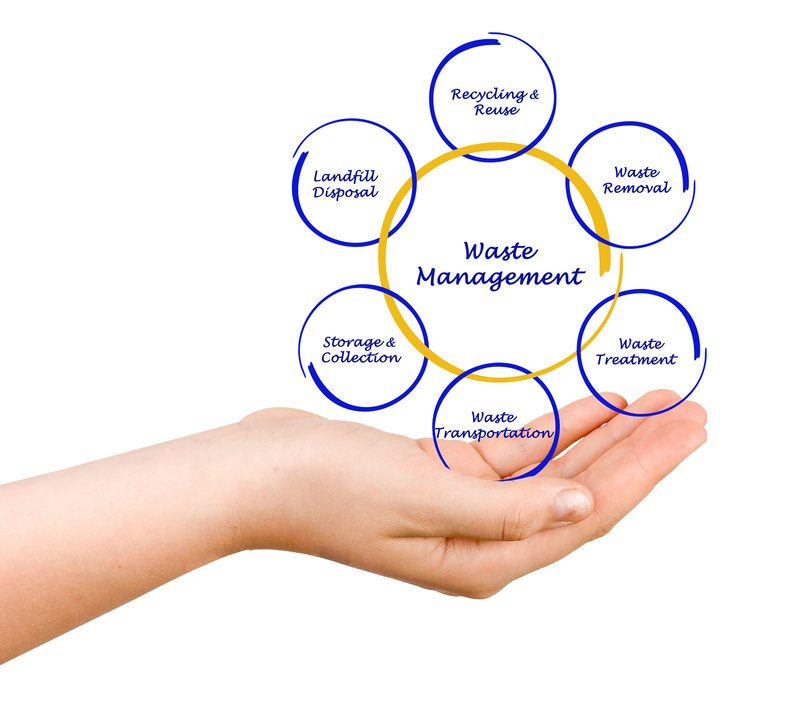
Why Proper PPE Disposal is a Critical Community Issue
PPE is designed to provide a barrier against infectious organisms, hazardous chemicals, and pollutants. While it plays a vital role in minimizing the spread of diseases like COVID-19, incorrect handling and disposal can reverse these benefits. When used PPE is discarded improperly, it:
- Increases community health risks as contaminated items can harbor harmful pathogens.
- Pollutes parks, streets, and waterways, harming wildlife and diminishing neighborhood aesthetics.
- Contributes to landfill buildup and environmental toxins if not managed correctly.
- Endangers sanitation workers who may come into contact with contaminated waste.
For these reasons, it is essential to follow appropriate PPE waste disposal guidelines to protect our communities, environment, and essential workers.
Understanding Different Types of PPE Waste
PPE is not a one-size-fits-all category--each type of gear presents unique disposal requirements. Here are the most common types and their characteristics:
Masks and Respirators
- *Disposable surgical masks*
- *N95 and other filter respirators*
Masks and respirators are generally intended for single-use, especially in public settings or near sick individuals. Both can attract contaminants including bacteria and viruses.*
Gloves
- Nitrile, latex, and vinyl gloves
*Gloves are often used in medical settings, but also commonly worn for personal protection in public spaces or when cleaning. Once used, gloves can carry traces of infectious agents or hazardous chemicals.*
Face Shields and Goggles
Although face shields and goggles are often reusable, improper disposal (for instance, when cracked or broken) can pose risks to sanitation workers and the environment if not handled carefully.
Gowns and Protective Coveralls
Disposable gowns and suits are used primarily in medical or industrial settings but can also be found in homes or businesses.
The Dangers of Improper PPE Waste Disposal
Disposing of PPE waste in regular trash bins or, worse, littering public spaces has immediate and long-term negative effects. Here are some of the key dangers:
- Health Hazards: Used PPE can harbor germs, viruses, and bacteria, creating a potential source of infection.
- Environmental Harm: Many PPE items are made from plastics that don't biodegrade easily. They can break down into microplastics, polluting soils and waterways, and ultimately entering the food chain.
- Wildlife Threats: Animals can mistake PPE for food, leading to injury or death. Entanglement in discarded masks has already been documented among marine and terrestrial wildlife.
- Increased Waste Management Risks: Sanitation workers are exposed to additional dangers when handling improperly disposed PPE, ranging from accidental contact with infectious materials to injuries from sharps hidden within gloves or masks.
Step-By-Step Guide: How to Properly Dispose of PPE Waste
To ensure safe and responsible PPE disposal, follow these clear guidelines:
1. Remove PPE Safely
- Wash your hands thoroughly before and after removing PPE items.
- Do not touch the front of your mask or outer surfaces of gloves; handle by the straps or cuffs if possible.
2. Separate PPE Waste from Regular Trash
- Dedicate a bag or bin specifically for used PPE items at home or in your business.
- Don't mix PPE with recyclable waste, as contaminated materials can compromise recycling processes.
3. Contain and Seal
- Place used masks, gloves, and tissues in a sturdy plastic bag.
- Seal the bag securely to prevent leaks or accidental exposure.
4. Label Waste, If Possible
- If you are disposing of significant quantities (e.g., at a business, office, or health facility), clearly label the bag as "PPE Waste." This warns sanitation workers to handle with extra care.
5. Dispose of in Designated PPE Waste Bins or General Waste
- If your municipality or facility provides PPE-specific waste bins, use them (do not place PPE in recycling bins).
- If no special bins are available, PPE waste should go in the general trash--not the recycling.
6. Wash Hands Immediately After Disposal
- Thoroughly wash hands with soap and water, or use an alcohol-based sanitizer after handling used PPE and their containers.
By following these PPE waste disposal best practices, you help reduce the risk of germ transmission, preserve our environment, and keep your community safe.
Community Initiatives: How Neighborhoods Can Encourage Safe PPE Waste Disposal
A single responsible individual makes a difference, but community-wide PPE waste management campaigns have the most powerful and lasting impact. Here's how neighborhoods, homeowner's associations, and community organizations can encourage proper PPE disposal:
Awareness Campaigns
- Organize outreach efforts through flyers, social media, and local meetings to inform the public about the importance of correct PPE waste disposal.
- Highlight risks associated with improper disposal to motivate behavioral change.
Install Designated PPE Waste Bins
- Place labeled PPE waste bins at strategic locations (e.g., entrances to public buildings, transport hubs, parks, shopping centers).
- Ensure regular collection and maintenance of these bins to prevent overflow.
Partner with Local Businesses
- Encourage retailers, offices, and restaurants to provide PPE disposal points and participate in educational campaigns.
Engage Youth and Volunteers
- Mobilize local youth groups and volunteers to assist in clean-up drives and promote safe disposal habits.
Coordinate with Waste Management Services
- Work with municipal or private waste haulers to streamline collection, ensure staff safety, and identify opportunities for enhanced PPE waste handling.
Proactive, united action can ensure a cleaner, safer, and more resilient environment for all.
Recycling and Environmental Considerations
An emerging area of concern is whether disposable PPE can be recycled. Unfortunately, most masks, gloves, and single-use gowns are made of mixed plastics--not easily recyclable using standard municipal processes. Here's what you should know:
- Do Not Place Used PPE in Paper or Bottle Recycling: Contaminated PPE compromises recycling and must go in the trash.
- Look for Specialized Recycling Programs: Some organizations are piloting take-back programs for certain PPE types (e.g., TerraCycle's Zero Waste Boxes for PPE).
- Switch to Reusable Options: Where possible, consider using washable fabric masks instead of disposable ones, reducing overall waste.
- Proper Segregation Helps: Keeping PPE out of recycling streams helps protect recycling workers and maintain the integrity of recyclable materials.
Remember: Proper disposal is generally safer and more practical than attempting to recycle contaminated PPE at home.
Protecting Sanitation Workers: A Frontline Defense
Sanitation workers are the backbone of community health. Their role is more crucial than ever in times of widespread mask and glove usage. You can help protect them by:
- Sealing PPE waste in strong bags before placing it in the trash.
- Avoiding loose items that may fall out or be touched accidentally.
- Not disposing of sharp objects (like needles) with regular PPE.
- Labeling larger PPE waste bags clearly to alert workers.
Maintaining safe practices not only protects your family but also those who work tirelessly to keep public spaces clean.
How to Handle PPE Waste in Different Settings
At Home
- Keep a small, lined bin in your hallway or bathroom for used masks and gloves.
- Teach children about why PPE should not be littered or mixed with recyclables.
In Schools
- Install labeled PPE disposal bins in classrooms and entrances.
- Educate students and staff on hand hygiene and disposal procedures.
At Workplaces and Businesses
- Designate clear disposal points for staff and customers.
- Display posters on the correct ways to handle and dispose of PPE waste.
Outdoor Spaces
- Never throw away PPE masks or gloves on sidewalks, parks, or roads.
- Use public bins or carry a resealable bag to take PPE home for proper disposal.
Legal and Regulatory Aspects
Laws regarding PPE disposal vary by location. Many cities and health agencies have published regulations concerning PPE waste management. In some cases, fines apply for improper disposal such as littering. Even when not enforced by law, responsible disposal is a civic duty that safeguards public health.
Myths and Facts About PPE Waste Disposal
- Myth: PPE can go in any recycling bin.
Fact: Used or contaminated PPE should never be put in regular recycling. It contaminates streams and endangers workers. - Myth: All PPE is biodegradable.
Fact: Most PPE contains durable synthetic materials (like polypropylene) that don't break down easily. - Myth: Littered PPE is harmless.
Fact: Dropped masks and gloves can spread pathogens and hurt wildlife. - Myth: Only healthcare workers need to dispose of PPE properly.
Fact: Everyone should discard used PPE safely, whether at home or in public spaces.
Conclusion: Every Action Counts in Keeping Communities Safe
In these times, appropriate PPE waste disposal is more than an environmental issue--it is a fundamental public health responsibility. By adopting safe disposal habits, educating others, and supporting community initiatives, we can all do our part to ensure cleaner streets, safer workers, healthier habitats, and a more resilient future.
Together, let's keep our communities safe by disposing of PPE waste the right way. Your efforts and choices truly make a difference.
