Eco-Friendly Upcycling: Turning Discarded Items into Beautiful Treasures
Eco-friendly upcycling is much more than a trending buzzword--it's a sustainable lifestyle choice that not only reduces waste but also transforms neglected materials and objects into unique, beautiful treasures. In a world where environmental concerns are mounting, upcycling offers a way for individuals and communities to contribute positively by breathing new life into discarded items. This comprehensive guide dives deep into the world of upcycling, exploring its benefits, creative ideas, and how you can embrace this green revolution at home.
Understanding Eco-Friendly Upcycling
Upcycling is the process of repurposing unwanted or unused materials into products of higher quality or value. Unlike recycling, which often breaks materials down to their base components, upcycling preserves the majority of the original item's structure, requiring less energy and producing less pollution. Eco-friendly upcycling goes a step further by ensuring the process itself supports sustainability--using non-toxic materials, minimizing energy consumption, and promoting long-term usefulness of the end products.
The Difference Between Upcycling and Recycling
- Recycling typically involves breaking down items, such as plastics, into raw materials which are then used to create new products. While beneficial, this process can consume significant energy and sometimes downgrades the quality of the material.
- Upcycling is a creative process that turns what might be considered waste into products of higher value or quality without intensive processing. For instance, turning an old ladder into a bookshelf or repurposing glass jars as stylish storage containers.
Why Eco-Friendly Upcycling Matters
As landfill sites continue to overflow and our planet's resources become increasingly strained, eco-conscious upcycling provides us with an inspiring solution.
Environmental Benefits
- Reduces landfill waste: By finding new uses for old items, upcycling diverts waste from landfills, lessening the environmental impact of trash.
- Lowers demand for new materials: Upcycling minimizes the need for virgin resources, conserving raw materials and reducing habitat destruction.
- Decreases pollution: The process often requires less energy than manufacturing or recycling, thus cutting pollutants and greenhouse gas emissions.
- Promotes a circular economy: Items are kept within the production and consumption cycle, encouraging reuse rather than single-use disposal.
Social and Economic Advantages
- Community building: Upcycling projects frequently foster collaboration, creativity, and a sense of shared achievement.
- Supports local artisans and small businesses: Many creators turn upcycled products into thriving businesses, supporting local economies.
- Teaches valuable skills: Upcycling projects introduce people of all ages to craftsmanship, resourcefulness, and environmental responsibility.
Getting Started with Eco-Friendly Upcycling at Home
Embracing eco-friendly upcycling doesn't require a huge investment or advanced skills; it starts with a simple desire to give discarded items a second chance.
Materials You Can Upcycle
- Furniture: Wooden chairs, tables, ladders, and dressers are perfect for transformations.
- Textiles: Old jeans, t-shirts, curtains, and bed linen can become bags, cushions, or wall art.
- Glass: Jars, bottles, and vases can be repurposed as planters, storage, or lighting.
- Metal: Tin cans, pipes, and old tools find new life as organizers, planters, or sculptures.
- Electronics: Broken electronics can be converted into quirky clocks, jewelry, or decor.
Basic Tools and Supplies
- Sandpaper, paintbrushes, non-toxic paints, and finishes
- Scissors, sewing kits, fabric glue
- Glue guns, screws, nails, and basic hardware
- Protective gear (gloves, masks)
- Imagination and creativity!
Popular Upcycling Project Ideas
If you're new to eco-friendly upcycling or looking for inspiration, here are some creative projects to jumpstart your journey--each transforming unwanted materials into beautiful and functional treasures.
1. Pallet Garden Furniture
Pallets are one of the most versatile upcycling materials. With basic tools, old shipping pallets can become rustic outdoor sofas, coffee tables, or raised planters. A little sanding and weather-resistant paint can make them cozy and stylish fixtures in your garden or patio.
2. Glass Jar Lanterns
Don't throw away those glass jars! Clean and decorate them with twine, beads, or non-toxic paint to create charming lanterns for indoor or outdoor use. You can place tealights or LEDs inside for a magical ambiance.
3. Denim Bags and Accessories
Repurpose worn-out jeans into fashionable tote bags, wallets, or even patchwork cushions. Denim is durable and easy to sew, making it ideal for a variety of upcycled creations.
4. Vintage Suitcase Tables
Give old suitcases new life by adding sturdy legs and a fresh coat of paint. These quirky tables add a vintage touch to living rooms or bedrooms and offer hidden storage space!
5. Tin Can Planters
Transform used tin cans into colorful planters for herbs or small flowers. Paint them in vibrant hues, punch drainage holes, and hang them on fences or balconies for an eco-friendly vertical garden.
6. Electronic Component Art
Breathe new artistic life into obsolete gadgets by using their parts--such as circuit boards, wires, and gears--to craft eco-fabulous wall art or innovative jewelry.
7. Wooden Ladder Bookshelves
That rickety old ladder in your garage can become a creative bookshelf or towel rack. Simply clean, sand, and paint it, then anchor it safely to the wall for a one-of-a-kind storage solution.
8. Sweater Pillow Covers
Outgrown or damaged sweaters can be cut and sewn into cozy pillow covers, adding texture and warmth to your couch or bed while reducing textile waste.
Tips for Successful Eco-Friendly Upcycling
To get the most out of your upcycling adventures and ensure your projects are genuinely eco-conscious, follow these essential tips:
- Choose non-toxic, sustainable materials: Select paints, glues, and finishes that are environmentally friendly and safe for indoor use.
- Prioritize durability and functionality: Aim to create items that serve a practical purpose or have a lasting aesthetic appeal, ensuring they don't quickly become waste again.
- Stay safe: Always use proper protective equipment, especially when working with old paints, metals, or electronic components.
- Get creative: Don't be afraid to experiment with color, texture, and form. The very essence of upcycling is innovation!
- Share and inspire: Document your projects and share them with friends, family, or online communities to encourage others to join the upcycling movement.
Upcycling in Daily Life: Beyond DIY
While home upcycling projects are rewarding, eco-friendly upcycling practices can be embraced on a larger scale too--at community centers, schools, and even businesses.
Community Upcycling Initiatives
- Swap events and markets: Local events where residents exchange items foster community spirit while reducing waste.
- Art installations: Public art projects using upcycled materials turn trash into cultural treasures and raise awareness about environmental issues.
- Workshops and classes: Educational sessions teach people practical upcycling skills, spreading the message of sustainability.
Industry and Business Applications
- Eco-conscious brands: Many small businesses are thriving by selling upcycled furniture, fashion, and home decor, appealing to eco-aware consumers.
- Corporate responsibility: Companies are increasingly integrating upcycled products into their offices and supply chains, reducing their carbon footprint.
- Product packaging: Upcycled materials are being used for creative product packaging, adding an authentic green touch.
The Future of Upcycling: Innovation and Inspiration
Advances in technology and sustainable design are ushering in an era where upcycling is not just a hobby, but a vital part of the global solution to environmental crises. Today, eco-friendly upcycling trends include the use of advanced 3D printing technology with recycled plastics, innovative fabric weaving from discarded materials, and creative architecture utilizing shipping containers and salvaged wood.
Upcycling is also finding a place within the growing circular economy, a model focused on minimizing waste and making the most of resources. As designers, artists, and engineers continue to push boundaries, the potential for creative, environmentally friendly products is virtually limitless.
How to Make Eco-Friendly Upcycling a Part of Your Lifestyle
Adopting upcycling means making conscious choices every day. Here are practical steps to integrate upcycled living into your daily routine:
- Rethink before you discard: Before throwing something away, ask yourself, "Can this be repurposed?"
- Support upcycled brands: Purchase items from artisans or companies that specialize in upcycled products.
- Gift upcycled: Handmade, upcycled gifts are meaningful and eco-conscious alternatives to store-bought.
- Stay informed: Follow blogs, social media accounts, and organizations dedicated to sustainability and upcycling for new ideas and community support.
- Educate others: Share your knowledge and enthusiasm for eco-friendly practices with friends and family.
Challenges and Solutions in Upcycling
Like any movement, eco-friendly upcycling faces its challenges:
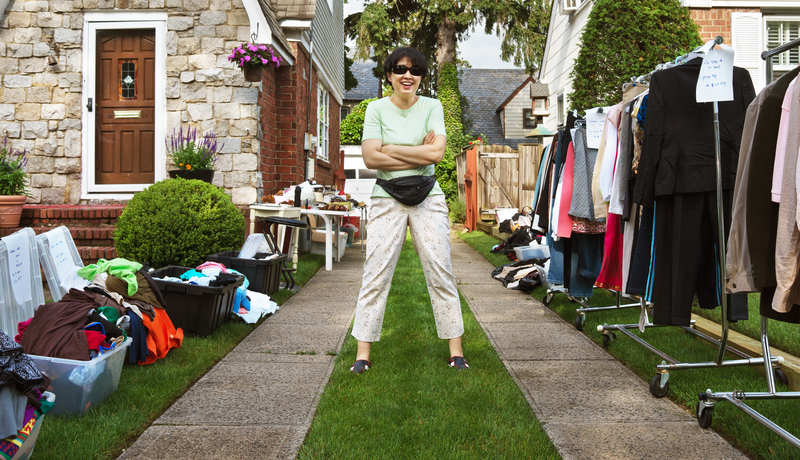
- Access to materials: Not everyone has access to suitable items for upcycling. Community swap events and donation networks can help bridge this gap.
- Time and skills: Learning new upcycling techniques requires time and patience. Start with simple projects and gradually build your skills.
- Market awareness: Some consumers are unfamiliar with the value and quality of upcycled goods. Education and visibility through exhibits and markets can shift perceptions.
Conclusion: Celebrating the Beauty of Eco-Friendly Upcycling
Eco-friendly upcycling celebrates the art of transformation--finding beauty and possibility in what many consider waste. By adopting upcycling practices, each of us plays a vital role in preserving resources, reducing pollution, and sparking a culture of creativity and sustainability. Whether you're a passionate DIYer or simply looking to make a positive change, embracing eco-friendly upcycling is a powerful way to turn discarded items into stunning treasures--for your home, your community, and the planet.
Ready to start your upcycling journey? Look around your home right now; that old jar, faded shirt, or rickety chair might be the beginning of your next eco-friendly masterpiece!
