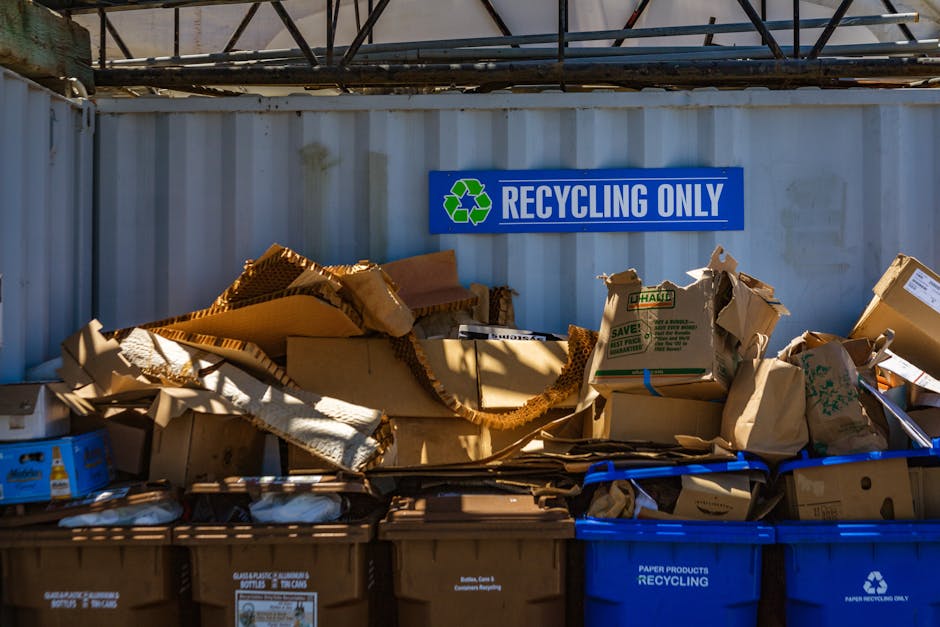
CO10 recycling centres: best drop-offs in Sudbury
If you live in CO10 and you have a car boot full of clutter, broken furniture, garden offcuts, or old office bits that need shifting, the quickest route is not always the one people think of first. CO10 recycling centres: best drop-offs in Sudbury is really about making a sensible choice: what can go to a centre, what needs a special drop-off, and when a professional clearance service is the easier option. It sounds simple. In practice, a messy garage, a tight weekday schedule, and a pile of mixed waste can turn it into a bit of a headache. This guide breaks it down clearly, with local-friendly advice that helps you avoid wasted trips and do the job properly.
To be fair, most people are not looking for a lecture on waste streams. They want to know where to take things, how to sort them, and how to get rid of them without spending half a Saturday guessing. That is exactly what you will get here: a practical look at drop-offs in and around Sudbury, what makes a good recycling run, and how to choose the most efficient route for your situation.
Below, you will find the main decision points, a step-by-step process, a comparison table, and a checklist you can actually use before loading the car. No fluff. Just the useful stuff.
Quick summary: the best drop-off is the one that matches your waste type, your vehicle, your timing, and how much sorting you are willing to do. If you plan ahead, the trip is usually straightforward. If you do not, it can become one of those irritating jobs that takes twice as long as it should.
Why CO10 recycling centres: best drop-offs in Sudbury Matters
For households and small businesses in the CO10 area, a good drop-off option does more than save space. It keeps waste moving, reduces clutter, and helps you deal with materials in a way that is more responsible than leaving them to pile up in a shed or hallway. Sudbury residents often end up with a mixed load: a cracked chair, a few black bags of general waste, some cardboard, a mattress, and maybe a broken hedge trimmer. That sort of load is exactly where the right drop-off choice matters.
There is also the simple reality of time. A trip to a recycling centre can be efficient if you are prepared. It can also become a detour-heavy morning if you arrive with the wrong items, forget proof of address where needed, or discover the site does not take what you thought it did. Who wants that on a damp Tuesday morning, with the boot lid sticking because the load is packed too high?
Another reason this matters is sorting. Different materials are usually handled differently, and the more mixed your waste is, the more likely you are to need an alternative route. In many cases, a recycling centre works well for straightforward items. For bulkier or awkward waste, a local clearance service can be the better fit. That is where pages such as waste removal and recycling and sustainability become useful to compare against a self-drop-off option.
In practical terms, this topic matters because the wrong choice costs you in three ways: time, fuel, and patience. The right choice saves all three.
How CO10 recycling centres: best drop-offs in Sudbury Works
Most recycling centres follow the same basic pattern. You arrive with sorted waste, queue if necessary, show any required identification or address evidence, and then unload the items into the correct bays or containers. Simple enough. The catch is that each site has its own accepted categories, operating hours, and vehicle rules, so a little preparation goes a long way.
For Sudbury residents, the key thing is to think in categories, not just in "stuff". For example:
- Wood and timber often needs separate handling from general rubbish.
- Metals are usually treated differently from mixed household waste.
- Green waste is commonly collected apart from DIY waste.
- Furniture may be accepted, but size, condition, and material type can affect what happens next.
- Electricals usually need dedicated recycling streams, not just a generic skip.
The actual drop-off process is usually quicker when you sort before you leave home. If you are taking furniture, it helps to strip off loose cushions or removable parts. If you are taking garden material, bagging or bundling can make unloading a lot less awkward. Small thing, big difference.
There is also a bigger decision: whether to self-haul everything or use a local clearance provider. If your waste is mostly bulky, heavy, or time-sensitive, a clearance service can reduce the amount of manual work. For example, house clearance, garage clearance, and loft clearance are all relevant when the job goes beyond a normal car-load run.
Truth be told, the best system is the one you will actually complete without putting it off for another month.
Key Benefits and Practical Advantages
Choosing the best drop-off for your CO10 waste is not only about convenience. It can improve how quickly you clear space, how responsibly you deal with materials, and how much physical effort you need to put in.
1. Faster clearance at home
Once a cluttered room, shed, or driveway is emptied, everything feels easier. You can see the floor again. You can move without side-stepping a stack of old boxes. That sounds small until you are the one trying to reclaim a usable room.
2. Better sorting and recycling outcomes
When items are separated properly, more of them can be processed through the right stream. That is especially helpful for metal, wood, cardboard, green waste, and some household electricals. A cleaner sort usually means a cleaner outcome.
3. Lower stress on the day
There is a quiet kind of relief in knowing exactly where everything is going. No mysterious "we'll deal with it later" piles. No repeated trips around Sudbury because the first centre could not take a particular item. That is the sort of admin nobody misses.
4. Better fit for your schedule
If you can choose between a quick drop-off and a full collection, your schedule may decide for you. A self-drop works well for smaller, lighter loads and for people who enjoy getting jobs done personally. A clearance booking can be better when the load is awkward, heavy, or simply too much for one car journey.
5. More control over what happens to your waste
Some people like the hands-on approach. You can see the materials, understand what you are disposing of, and separate what can be reused from what cannot. That sense of control is genuinely useful, especially when you are clearing a long-neglected space.
Expert takeaway: the best drop-off is usually the one that keeps your waste sorted, your travel time short, and your unloading simple. If one of those three is missing, the trip tends to feel longer than it should.
Who This Is For and When It Makes Sense
This guide is useful for anyone in CO10 who needs to dispose of household or small-business waste without making a mess of the process. That includes homeowners, tenants, landlords, tradespeople, and office managers. It also helps if you are dealing with one-off decluttering rather than a regular waste contract.
You will probably benefit most if any of these sound familiar:
- You have a car load or small van load of mixed items.
- You are clearing out a room, shed, loft, or garage.
- You want to dispose of recyclable material properly.
- You are trying to avoid a full-scale clearance booking.
- You need a simple, budget-conscious way to remove clutter.
It also makes sense if you are a local business with occasional waste, such as office refits, packaging, or stored equipment. In that case, a service like business waste removal or office clearance may be more efficient than asking staff to make repeated drop-offs themselves.
On the other hand, a self-drop may not be the best option if the waste is very heavy, if you lack transport, or if the items are awkward to dismantle. Let's face it, trying to wrestle a broken wardrobe into a hatchback is not anyone's favourite weekend plan.
Step-by-Step Guidance
If you want the trip to go smoothly, the process is best handled in a clear sequence. Nothing fancy. Just a solid routine.
- Identify the waste type. Separate general rubbish from recyclable materials, and note anything bulky, sharp, hazardous, or electrical.
- Check what needs special handling. Some items need different treatment, such as fridges, paint, batteries, or DIY materials. If you are not sure, do not guess.
- Measure the load mentally. A few boxes and a chair are one thing. A full garage clear-out is another. Be honest about the size of the job.
- Sort before you leave. Keep like with like. Put cardboard together, metals together, and loose waste in bags where sensible.
- Prepare your vehicle. Use blankets, straps, or sheets to protect the boot. A bit of preparation saves a messy clean-up later.
- Plan your route and timing. Avoid arriving at the worst possible moment, such as just before a busy weekend rush.
- Unload carefully. Keep an eye on signage, follow site guidance, and do not rush a heavy item because you are trying to beat the queue.
If the load is more than you can reasonably manage on your own, there is no shame in stopping there and choosing a clearance alternative. A lot of people wait too long before making that call. Then the pile gets bigger, and the job gets grumpier. Happens all the time.
Expert Tips for Better Results
A few small habits can make a big difference when choosing the best drop-off in Sudbury.
- Keep a "drop-off corner" at home. If you are tidying over several days, place items in one area so they do not spread into every room again.
- Flatten what you can. Cardboard, flat-pack panels, and disassembled pieces take up far less space.
- Separate reusable items early. Good furniture, working electricals, and decent storage items may be better kept aside for reuse rather than disposal.
- Use heavier items last in the vehicle. That makes unloading easier and helps prevent lighter items from being crushed.
- Keep proof of address handy. Some sites may ask for it. Better to have it than be caught out by a simple admin snag.
A useful rule of thumb: if a job feels like it will require more than one trip, think before you load the first bag. Sometimes a single collection or combined service is the cleaner solution. For example, domestic clearances such as home clearance and flat clearance can save a surprising amount of back-and-forth for people who are short on time.
Another small but important tip: do the awkward item first when you arrive. That old washing machine or heavy table leg is usually better dealt with while you still have energy. The rest of the run feels easier after that.
Common Mistakes to Avoid
Most recycling-run problems are avoidable. They are not complicated mistakes, just the sort people make when they are in a hurry.
Turning up with unsorted waste
If everything is mixed together, you may slow yourself down and create extra handling. Worse, you may find some items are not accepted with your other materials. Sorting before you leave is the simplest fix.
Assuming every centre takes the same items
It would be convenient if every site worked exactly the same way. They do not. Always check what the destination can handle, especially for bulky furniture, tyres, plasterboard, fridges, batteries, and paint tins.
Overfilling the vehicle
It is tempting to cram in "just one more bag". Usually that bag ends up in the way. If the boot will not close safely, stop and reorganise. No heroic last-minute stacking, please.
Ignoring the condition of reusable items
Something that is still usable should not be treated like scrap by default. A good chair, shelf, or cabinet might be better repurposed or handed on if it is clean and safe.
Leaving sharp or dusty items loose
Broken glass, nails, screws, and fine dust are easy to overlook. Bag them properly. Your hands, boots, and car lining will thank you later.
Forgetting the alternative for bulky loads
Many people persist with repeated recycling-centre trips because that was the original plan. But if the pile is now four times bigger than expected, a service such as furniture clearance or builders waste clearance may be the smarter route.
Tools, Resources and Recommendations
You do not need specialist kit for most drop-offs, but a few practical tools can make the task far easier.
- Heavy-duty gloves for lifting and handling rough surfaces.
- Rope, straps, or bungee cords to keep items stable in transit.
- Dust sheets or old blankets to protect the vehicle interior.
- Marker pen and tape for labelling boxes if you are separating mixed contents.
- Trolley or sack truck if you are moving heavier items from the house to the car.
For households dealing with garden, loft, or garage clutter, a good first step is to assess whether the job is mostly recyclable or mostly mixed waste. If it is mostly greenery or soil-related material, garden clearance may fit better than a DIY run. If it is a long-overdue attic sort, loft clearance is often the more practical route.
If you are comparing disposal routes, use three simple questions:
- Can I load and unload this safely myself?
- Will one trip be enough?
- Am I sure the drop-off will accept everything I am taking?
If the answer to any of those is no, it is worth pausing and choosing a different option.
Law, Compliance, Standards, or Best Practice
Waste disposal in the UK should always be handled responsibly, and that applies whether you are using a recycling centre or arranging a private clearance. The main principle is simple: know what you are disposing of, use a legitimate route, and do not leave materials where they can create nuisance, hazards, or fly-tipping problems.
For businesses, the expectations are usually stricter in practice because records, duty of care, and safe handling matter more. Even if you are only clearing a small office, it is sensible to use a provider that understands safe removal, proper segregation, and documentation where needed. That is one reason pages like health and safety policy and insurance and safety can be worth reviewing if you want reassurance around the process.
For households, the best practice is still the same: separate items where you can, avoid mixing hazardous materials with general waste, and use approved disposal routes rather than taking shortcuts. If an item is potentially hazardous, fragile, pressurised, or electrically unsafe, do not just toss it in with the rest. That is where mistakes happen.
On the compliance side, it is always wise to follow site instructions, staff guidance, and local rules about vehicle types, opening times, and accepted materials. If you are unsure, ask before loading the car. A five-minute check can save an entire wasted journey.
Options, Methods, or Comparison Table
There are usually three sensible ways to handle waste in CO10: self-drop at a recycling centre, part-load drop-off with sorting at home, or full clearance by a local service. Each has its place.
| Option | Best for | Advantages | Watch-outs |
|---|---|---|---|
| Recycling centre drop-off | Small to medium sorted loads | Direct control, potentially quick, good for specific recyclables | Needs transport, sorting, and site awareness |
| Self-drop with careful pre-sorting | Mixed household items and recyclable materials | More efficient unloading, fewer surprises on site | Still time-consuming if the load is large or awkward |
| Professional clearance | Bulky, heavy, or time-sensitive jobs | Less lifting, faster room clearance, better for big piles | May cost more than doing it yourself |
In real life, the best option depends on the shape of the job. A couple of chairs and some cardboard? Drop-off may be ideal. A full garage clear-out with mixed materials and old furniture? Clearance starts to look much more sensible. It is not about being lazy. It is about choosing the least painful route.
Case Study or Real-World Example
Picture a typical Saturday in Sudbury. A family in CO10 has decided to reclaim the garage. Over the years it has become the home of old toys, a broken garden table, paint tins, flattened boxes, a cracked shelving unit, and a few bags of general clutter that somehow multiplied on their own.
At first, they think a recycling-centre trip will solve it. Then they start sorting. The boxes are fine. The shelving needs dismantling. The garden table is awkward. A couple of items are reusable, and the paint tins need checking. By the time they have got everything separated, they realise the load is larger and less uniform than expected.
So they make a decision. They keep the recyclable bits for a drop-off run and arrange a separate clearance for the bulky furniture. The result? Less lifting, fewer back-and-forth trips, and a garage that is usable again by the evening. Not glamorous. But very satisfying, especially when you can actually park the car inside again.
This is the kind of situation where a mix of self-drop and professional support works well. It is often not one solution or the other. It is about using the right tool for each part of the job.
Practical Checklist
Use this before you leave home. It saves time, honestly.
- Have I sorted the waste into clear categories?
- Do I know which items are recyclable, bulky, or special handling?
- Have I checked the likely destination can accept my load?
- Is my vehicle big enough and safe to use for the trip?
- Have I packed gloves, straps, and protective sheets if needed?
- Have I removed loose glass, sharp edges, or hazard items from mixed bags?
- Do I have proof of address if it might be needed?
- Have I considered whether a clearance service would be easier?
- Are reusable items separated from waste items?
- Do I have a realistic plan for unloading without rushing?
If you can tick most of those off, you are in good shape. If you cannot, pause for five minutes and sort it now. That small bit of organisation usually pays for itself.
Conclusion
Choosing between CO10 recycling centres, local drop-offs, and clearance help is really about matching the method to the mess. Small sorted loads are often ideal for self-drop. Mixed, bulky, or awkward waste may be better handled through a clearance service. Either way, the winning move is preparation: sort first, check the load, and do not assume every site takes everything.
The good news is that once you understand the basics, the process becomes much less daunting. You can clear space, handle waste properly, and avoid those frustrating extra trips that eat into a perfectly decent day. Little by little, the clutter goes. The room opens up. And suddenly the job that felt a bit grim becomes one of those quietly satisfying wins.
Get a free quote today and see how much you can save.
If you are still deciding, start by comparing your load to the options above. A tidy plan now is almost always easier than a rushed decision later. And yes, the relief of an empty garage or cleared room is real. You will notice it the moment you walk in.
Frequently Asked Questions
What counts as a good drop-off option in CO10?
A good drop-off option is one that accepts your waste type, suits your vehicle, and saves you from unnecessary sorting or repeat trips. The best choice is usually the one that matches the actual load you have, not the one that sounds easiest in theory.
Can I take mixed household waste to a recycling centre?
Sometimes, yes, but mixed waste is more likely to need sorting before disposal. The cleaner your separation is, the easier the drop-off usually becomes. If the load is very mixed, a clearance service may be simpler.
Are furniture items usually accepted at drop-off sites?
Often they are, but it depends on the site and the type of furniture. Flat-pack wood, chairs, and some larger household items may be accepted, while damaged, bulky, or treated items can be treated differently. Check before loading if you are unsure.
What should I do with garden waste in Sudbury?
Garden waste is often easier to handle if it is bagged, bundled, or kept separate from general rubbish. If you have a lot of it, a dedicated garden clearance route can save you time and effort.
Do I need to sort recyclable items before I go?
Yes, sorting beforehand makes the whole process smoother. It reduces unloading confusion and helps you avoid arriving with a load that does not fit the site's setup. A little prep goes a long way.
Is it better to self-drop or book a clearance service?
It depends on the size and type of waste. Self-drop is usually best for smaller sorted loads. Clearance works better for bulky, heavy, or mixed waste when you do not want the lifting and transport hassle.
What if I have items like paint tins or old electricals?
Those items often need special handling, so do not assume they can go with normal rubbish. Keep them separate and check the destination's accepted waste categories before making the trip.
How can I make one trip instead of several?
Sort your waste at home, flatten what you can, and group items by material. If the load still looks too large for one vehicle run, it may be time to consider a clearance alternative rather than forcing it.
Are there benefits to using a professional clearance company for a small job?
Yes, if the items are bulky, difficult to move, or awkward to sort, a professional service can still be worth it. Sometimes paying for convenience is cheaper than taking time off, making multiple trips, and wrestling with heavy furniture.
What is the biggest mistake people make with drop-offs?
The most common mistake is not checking what the site accepts before loading the car. The second is overfilling the vehicle. Those two alone cause more stress than they should, and both are easy to avoid with a quick plan.
Can I combine recycling and clearance for the same project?
Absolutely. In many real-world clear-outs, that is the smartest approach. Keep reusable or easily recyclable items for drop-off and use a clearance service for the heavy or awkward remainder. It is practical, not fussy.
Where should I start if my loft, garage, or house is full of clutter?
Start with one zone and one waste type. Do not try to sort the entire property in one go. A garage clearance, loft clearance, or house clearance approach can help you break the work into manageable pieces without losing momentum.
And if today is the day you finally tackle the pile, good. That first bag out the door is often the hardest part. After that, it tends to get easier, one sensible step at a time.