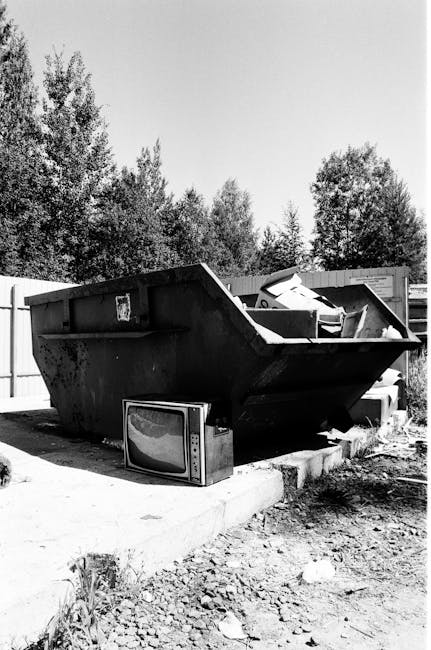
Bulky Item Collection for Great Cornard and Sudbury: A Practical Local Guide
If you have a sofa that will not fit through the door, a wardrobe that has seen better days, or a pile of awkward items taking over the garage, bulky item collection for Great Cornard and Sudbury can save you a great deal of time and effort. It is one of those services people often search for only when the clutter becomes impossible to ignore, and by then the priority is usually simple: get it removed quickly, safely, and without hassle.
This guide explains how bulky item collection works, who it helps, what to expect on the day, and how to avoid the common mistakes that lead to delays or extra costs. You will also find practical tips for choosing the right service, a comparison of common removal options, and a checklist you can use before booking. If you are weighing up whether to move items yourself or arrange professional help, this article should make the decision much easier.
In short: the best bulky waste solution is the one that fits your item type, access, timeframe, and budget without creating unnecessary stress.
Why Bulky Item Collection for Great Cornard and Sudbury Matters
Bulky items are not just inconvenient; they can interrupt everyday life. A broken bed frame in a spare room, a damaged fridge in a utility space, or an old sofa in a hallway quickly becomes more than a storage issue. It affects safety, access, and how usable your home, garage, loft, or business premises feel.
For households in Great Cornard and Sudbury, bulky item collection matters because these items are often difficult to transport in a normal vehicle and too large for standard bin collections. They may need lifting equipment, careful handling, or sorting before removal. Trying to solve that alone can mean injury risk, vehicle damage, or a few frustrating trips that eat up an entire weekend.
There is also the practical side. The longer bulky waste stays in place, the more likely it is to get damaged, attract moisture, become harder to move, or block a room you could otherwise use. A flat clearance situation, for example, can become stressful very quickly if heavy furniture and mixed waste are left until the last minute. For that reason, many people combine bulky collection with broader services such as home clearance or house clearance when a property needs a more complete reset.
Local relevance matters too. Great Cornard and Sudbury have a mix of property types, from family homes and rented flats to offices, garages, and loft spaces. Access can vary widely. Some properties have narrow staircases, shared entrances, limited parking, or awkward garden access. A good collection service takes those details seriously instead of treating every job as identical. That is usually the difference between a smooth clearance and a messy one.
How Bulky Item Collection for Great Cornard and Sudbury Works
Although every job is slightly different, the process usually follows a clear pattern. The aim is to make removal efficient, safe, and predictable from the moment you enquire to the moment the space is cleared.
First, you identify what needs to go. That may include one item, such as a mattress or desk, or a mixed load of furniture, appliances, and general waste. Clear descriptions help enormously. If you can list what is being removed, mention access issues, and add photos where possible, you will usually get a more accurate quote and a better plan for the collection.
Next comes the collection arrangement. This may be based on item count, load size, type of waste, or a combination of factors. Some services focus only on furniture disposal, while others can handle mixed waste alongside items from a garage clearance or garden clearance. If your load includes broken cabinets, old shelving, packaging, or renovation debris, it is worth checking whether a broader waste removal service is the better fit.
On the day, the team typically arrives, confirms the items, assesses access, and removes the load. Good operators will separate reusable, recyclable, and non-recyclable material where practical. That is especially useful if the collection includes bulky furniture, office items, or items from a loft or shed where different materials may be mixed together.
After removal, responsible providers should handle disposal through appropriate channels. In many cases, that means prioritising reuse or recycling where possible rather than simply sending everything to landfill. If sustainability matters to you, it is sensible to check the provider's approach to recycling and sustainability before you book.
Typical bulky items collected
- Sofas, armchairs, and recliners
- Beds, mattresses, and bed frames
- Wardrobes, drawers, and shelving
- Dining tables and chairs
- White goods such as fridges and freezers
- Office desks, filing cabinets, and chairs
- Garage clutter and mixed household items
- Garden furniture and outdoor equipment
Key Benefits and Practical Advantages
The strongest benefit is simple: you do not have to wrestle with heavy, awkward items on your own. That alone can make a service worthwhile, particularly if the items are too large for a car or too heavy for a single person to move safely.
Another major advantage is time. What might take you a whole day, plus the hassle of finding transport and disposing of waste correctly, can often be handled in one organised visit. For busy households, landlords, business owners, and property managers, that time saving is not a minor detail. It is the whole point.
Bulky collection also reduces the risk of damage. Dragging a wardrobe down stairs or trying to dismantle a sofa in a rush can lead to scratched walls, broken flooring, or strained backs. A professional team knows how to move large items without turning the hallway into a minor disaster zone. Let's face it, nobody wants a clearance job that leaves more mess behind than it removed.
There is also a compliance advantage. If items are disposed of improperly, the responsibility can end up back with the person who arranged the clearance. Using a legitimate service gives you a clearer paper trail and more confidence that waste is being handled properly. That is especially relevant for businesses and landlords who need to show responsible disposal.
Finally, the right service can be more flexible than people expect. If you only need one or two items removed, you may not need a full property clearance. If the job is larger, combining bulky collection with furniture clearance or furniture disposal can be a neat way to clear several problem items in one go.
Who This Is For and When It Makes Sense
Bulky item collection is useful for a wide range of people, and not all of them are dealing with the same kind of clutter. Some are clearing a single room. Others are dealing with end-of-tenancy pressure, renovation leftovers, or inherited furniture that needs to go before a sale or move.
It usually makes sense if:
- You have one or more large items that are hard to lift or transport.
- You do not have a suitable vehicle.
- You want to avoid risking injury or damage while moving items.
- You need the space cleared quickly.
- You are preparing a property for sale, rent, or refurbishment.
- You need a reliable service for mixed loads from different rooms or outbuildings.
For example, a landlord in Sudbury may need a flat cleared after a tenant move-out, with a sofa, mattress, broken sideboard, and miscellaneous waste all coming out together. A homeowner in Great Cornard might only want a garage cleared, but that garage may contain old furniture, tools, and a heavy freezer that cannot be lifted safely without help. In both cases, the service is doing the same broad job, but the details matter.
Businesses also benefit. Offices, shops, and storage rooms often end up holding items that are too good to bin casually but too bulky to deal with in-house. In those situations, a service that understands business waste removal or office clearance can be a more efficient fit than piecing the job together internally.
Step-by-Step Guidance
If you want the smoothest possible experience, it helps to treat bulky item collection as a short project rather than an emergency scramble. A little preparation goes a long way.
- List everything that needs removing. Be specific. "Old sofa, double mattress, coffee table, two wardrobes, and some packaging" is much better than "a few bits."
- Check access. Think about stairs, tight corners, parking, locked gates, lift access, and whether items need dismantling before removal.
- Separate anything you want to keep. It sounds obvious, but in a busy room it is easy to overlook paperwork, chargers, or small valuables.
- Ask about the service scope. Confirm whether the provider handles single items, mixed loads, furniture, garden waste, appliances, or builders' debris.
- Request a clear quote. Reputable providers should explain what is included and what might change the price. If you want to compare options, the page on pricing and quotes is a sensible place to start.
- Prepare the route. Move small obstacles out of the way so the team can carry items out safely. It saves time and reduces the chance of accidental knocks.
- Be ready on the day. If the team needs access to a loft, garage, shed, or side entrance, make sure keys, codes, or permissions are sorted in advance.
That last point matters more than many people realise. The fastest jobs are usually not the ones with the smallest loads; they are the ones where access is clear and the scope is agreed in advance.
Expert Tips for Better Results
In our experience, the best bulky collection jobs are the ones where the customer thinks like an organiser for ten minutes before the team arrives. You do not need to overdo it. Just give the job enough structure to avoid confusion.
Tip 1: Take photos of the items and the access route. This helps with quoting and reduces surprises. A picture of a sofa is useful, but a picture of the narrow stairwell beside it is even better.
Tip 2: If an item can be dismantled safely, ask whether that should be done before or during collection. Some furniture is easier to remove in pieces, particularly larger wardrobes and bed frames.
Tip 3: If your load is mixed, describe the material types. A pile containing wood, metal, textiles, and electricals may need different handling. Being clear from the start helps the provider plan disposal correctly.
Tip 4: Ask about reuse or recycling outcomes if that matters to you. A responsible operator should be able to explain their general approach without making unrealistic promises.
Tip 5: Do not leave bulky waste in shared areas for too long. Hallways, entrances, and communal spaces can become access hazards. If you live in a flat, a flat clearance style approach may be the neatest way to handle multiple items without disturbing neighbours more than necessary.
Tip 6: Be honest about item condition. A water-damaged wardrobe, a rusted garden bench, or a broken appliance may require different handling than something clean and reusable.
Expert summary: Good bulky item removal is not just about lifting heavy things. It is about planning access, matching the right service to the load, and keeping disposal responsible from start to finish.
Common Mistakes to Avoid
Most bulky collection problems are preventable. The trouble is that they tend to show up after the booking is made, when everyone is trying to save time.
1. Underestimating the size of the load. "Just a few items" can turn into a van-full once everything is gathered. Measure large furniture where possible, or at least be precise about what is included.
2. Forgetting about access. A collection team can only move what it can physically reach. If there is no parking nearby, a locked gate, or a narrow internal route, say so early.
3. Mixing wanted and unwanted items. This causes mistakes and delays. Keep anything you want to retain in a separate room or clearly labelled area.
4. Choosing a service that is too narrow. If you actually need a broader clearance, booking only for one category can be frustrating. For example, a loft filled with furniture, boxes, and old suitcases may fit better with loft clearance than a basic one-item collection.
5. Ignoring safety concerns. Heavy lifting, sharp edges, dusty lofts, and unstable stacks all create risk. There is no prize for doing it the hard way.
6. Not checking disposal standards. A legitimate provider should handle waste responsibly and explain how it is processed. If that information feels vague, ask for clarification before booking.
Tools, Resources and Recommendations
You do not need specialist equipment for every job, but a few simple tools can make a real difference when preparing bulky items for collection.
- Measuring tape: Useful for doorways, stairwells, and oversized furniture.
- Gloves: Helpful when sorting dusty or rough items.
- Basic toolkit: Handy if furniture needs gentle dismantling in advance.
- Labels or sticky notes: Good for marking items to keep, donate, or remove.
- Phone camera: A quick way to document the load and access.
- Clear pathway space: Not a tool exactly, but arguably the most useful thing you can prepare.
For many readers, the most practical resource is simply the right service page. If the items are mostly old sofas, tables, chairs, or cabinets, start with furniture clearance. If the job involves a larger household mix, home clearance may give you the flexibility you need. If the clutter has spread into the shed or driveway area, garage clearance can be especially useful.
For people who want background information about the company before making contact, the about us page helps build context, while the main contact us page is the obvious next step when you are ready to arrange a visit or ask a question.
Law, Compliance, Standards, or Best Practice
Bulky item collection involves practical handling and waste management, so best practice matters. While this article is not legal advice, there are a few sensible standards to keep in mind in the UK.
First, waste should be transferred to a legitimate carrier and dealt with responsibly. That means the operator should be able to explain how items are handled, where appropriate disposal routes lead, and how recyclable material is separated where possible. If you are a business, the need for clear records is often even more important.
Second, safety should not be treated as an afterthought. Heavy lifting, sharp materials, electrical items, and awkward access routes all create risk. A service with a clear health and safety policy and sensible insurance and safety information gives you more reassurance that the work will be handled properly.
Third, payment and booking details should be clear before work begins. That includes what is included, what could change the price, and how payment is handled. Transparency matters because it reduces misunderstandings later. The page on payment and security is a helpful reference if you want to understand how a provider approaches that side of the process.
Finally, if a provider offers a complaints route, privacy information, or terms and conditions, that is usually a positive sign of an organised business rather than a random one-person operation with a van and a mobile number. People sometimes overlook those pages, but they tell you a lot about how a company works. If you want to review the wider service framework, terms and conditions and the complaints procedure are worth checking.
Options, Methods, or Comparison Table
Different removal approaches suit different situations. The right choice depends on how much needs removing, how quickly it needs doing, and whether the load is simple or mixed.
| Option | Best For | Strengths | Limitations |
|---|---|---|---|
| Single-item collection | One or two large items | Quick, focused, straightforward | Less suitable for mixed or larger clearances |
| Furniture clearance | Sofas, beds, tables, cabinets | Ideal for domestic furniture loads | May not suit mixed waste or renovation debris |
| Home or house clearance | Multiple rooms or whole properties | Flexible and efficient for larger jobs | Can be more than needed for a small load |
| Garage or loft clearance | Stored clutter and awkward access spaces | Useful where items are hidden or hard to reach | May require extra access planning |
| General waste removal | Mixed bulky waste and non-household items | Broad and adaptable | Needs clear item descriptions for accurate quoting |
If you are unsure which route to take, start by asking what is included. A simple collection can be the most efficient choice for one sofa or mattress. A broader clearance is usually better when the job spreads across multiple rooms, outbuildings, or furniture types. For businesses, a dedicated business waste removal approach can help keep operations tidy without disrupting staff.
Case Study or Real-World Example
Consider a typical local scenario. A homeowner in Great Cornard is preparing to redecorate a spare room and wants to remove an old bed, a chest of drawers, two broken bedside cabinets, and a pile of mixed packaging and outgrown household items from the corner of the room. At first glance, it sounds simple. Then the practical questions start: Will the bed frame come apart cleanly? Can the drawers be carried downstairs safely? Is there space outside for the vehicle to wait? What should happen to the mixed waste?
The best approach in that situation is to separate the items into categories, clear the access route, and describe the load accurately before booking. If the furniture is the main part of the job, then furniture-specific collection may be enough. If the room also includes smaller clutter and packaging, a broader home clearance style visit may save time and reduce the back-and-forth.
Now imagine a small business in Sudbury with old office chairs, a filing cabinet, and a few worn-out desks stored in a back room. The items are bulky, but the real problem is that they are blocking useful workspace. In that case, the business usually needs a service that understands access, timing, and the importance of clearing the area without disrupting staff or customers. That is where planning around an office clearance or related service becomes the practical solution.
The common thread in both examples is simple: the best result comes from matching the service to the real job, not the hoped-for version of the job. Clear information saves time, and time saves money. Convenient, really.
Practical Checklist
Use this checklist before arranging bulky item collection for Great Cornard and Sudbury.
- Identify every item that needs removing.
- Measure the largest items if they may be tight through doors or stairs.
- Check whether items need dismantling.
- Clear a safe path from the items to the exit.
- Note any parking, gate, or access restrictions.
- Decide whether you need a single-item collection or a fuller clearance.
- Separate anything you want to keep before the team arrives.
- Take photos if you want a more accurate quote.
- Ask how the provider handles recycling and disposal.
- Confirm the booking time, location, and any special instructions.
If you are dealing with an unusually large or mixed project, it can also help to review the broader service pages for builders waste clearance or garden clearance when those types of material are involved. Not every bulky load is purely domestic furniture, and that distinction matters.
Conclusion
Bulky item collection for Great Cornard and Sudbury is at its best when it makes a difficult job feel simple. Whether you are clearing a sofa, a mattress, old office furniture, garage clutter, or a mixed household load, the value lies in safe lifting, sensible planning, and responsible disposal.
Choose the right service type, give clear information, and prepare the access route. Those three steps alone will solve most of the problems people run into. If you want a more complete clearance, it is often better to think a little bigger from the start rather than booking the wrong job and correcting it later.
The good news is that this is not a complicated process once you know what to look for. A clear quote, a practical service scope, and a trustworthy approach to handling waste will take you a long way. If you are ready to move forward, speak to a local team that understands the area and the kinds of properties found across Great Cornard and Sudbury.
Get a free quote today and see how much you can save.
Frequently Asked Questions
What counts as a bulky item?
A bulky item is usually something too large, heavy, or awkward for normal household bin collections. That often includes sofas, beds, wardrobes, tables, appliances, and similar items.
Can I book a collection for just one item?
Yes, many services can collect single items as well as larger loads. A lone mattress or sofa is a common request, especially when replacement furniture is already on the way.
How do I know whether I need bulky collection or full clearance?
If you only have one or two large items, bulky collection is usually enough. If the job involves multiple rooms, mixed clutter, loft storage, or garage contents, a fuller clearance may be more suitable.
Do I need to move the items outside first?
Not usually, but it depends on the provider and the access available. Some teams remove items from inside the property, while others may prefer clear access or pre-positioned items.
What if my furniture needs dismantling?
That should be discussed in advance. Some items are easier to carry in pieces, and it is better to ask before the collection day rather than assume it will be handled automatically.
Can bulky items include mixed waste?
Yes, in many cases they can, but you should describe the materials clearly. Mixed loads often need careful sorting so that different waste types are handled correctly.
How much does bulky item collection cost?
Costs vary depending on volume, item type, access, and whether the load is simple or mixed. A clear description and photos usually help produce a more accurate quote.
Is it better to use a van or a professional collection service?
If the load is small, has easy access, and you have a suitable vehicle, self-removal may be workable. For heavy, awkward, or time-sensitive jobs, a professional collection is usually safer and less stressful.
What happens to the items after collection?
That depends on their condition and the provider's disposal process. Some items may be reused or recycled, while others will need disposal through appropriate waste channels.
Can you collect items from a flat, loft, or garage?
Yes, those are common scenarios. The important part is making sure access details are clear, especially if staircases, tight spaces, or limited parking are involved.
How do I prepare for collection day?
Make a list of items, clear a route, separate anything you want to keep, and confirm access details. A little preparation usually makes the visit quicker and smoother.
Why use a local service in Great Cornard and Sudbury?
A local service often understands the area, typical property layouts, and access issues more quickly. That can make scheduling and collection more straightforward, especially for time-sensitive jobs.
Need a simple next step? Review the service details, compare your options, and ask for a quote that matches the actual job, not just the first version you had in mind.